
|
The opioid crisis has had far-reaching consequences, affecting individuals, families, and communities across the United States. One of the most heartbreaking aspects of this crisis is its impact on newborns. Every 15 minutes, a baby is born suffering from opioid withdrawal, a condition known as neonatal abstinence syndrome (NAS). NAS occurs when a baby is exposed to opioids in the womb, either through prescription medications or illicit drugs. Opioids, such as heroin, fentanyl, and prescription painkillers like oxycodone and hydrocodone, can pass through the placenta to the developing fetus, leading to dependence. When the baby is born, they are suddenly cut off from the drug, leading to withdrawal symptoms. These symptoms can be severe and include tremors, excessive crying, irritability, feeding difficulties, sweating, fever, vomiting, diarrhea, and even seizures. The intensity and duration of withdrawal symptoms can vary depending on several factors, including the type of opioid used, the amount and frequency of use, and whether the mother received any treatment during pregnancy. Treating newborns with NAS requires specialized care. They may need to be hospitalized and receive medication to help alleviate their withdrawal symptoms. The goal of treatment is to keep the baby comfortable and support their growth and development. The impact of NAS extends beyond the immediate withdrawal symptoms. Babies born with NAS may be at a higher risk for developmental delays, behavioral issues, and learning difficulties later in life. Swaddling a newborn in a Woombie Bili pod™ mesh swaddle may decrease the withdrawal symptoms and provide developmental care and comfort. The Woombie Bili Pod™ features a patented peanut-shape to mimic the womb and keep baby swaddled in the "Hands over Heart" position for flexion, bone fusion, and crossing the midline. The mesh allows breathability and may decrease the risk of overheating. Swaddling a baby suffering NAS in a Woombie Bili pod™ or "ISeeYou" swaddle may create the feeling of being held these babies so badly need. Reach out to [email protected] or [email protected] to inquire about placing an order. 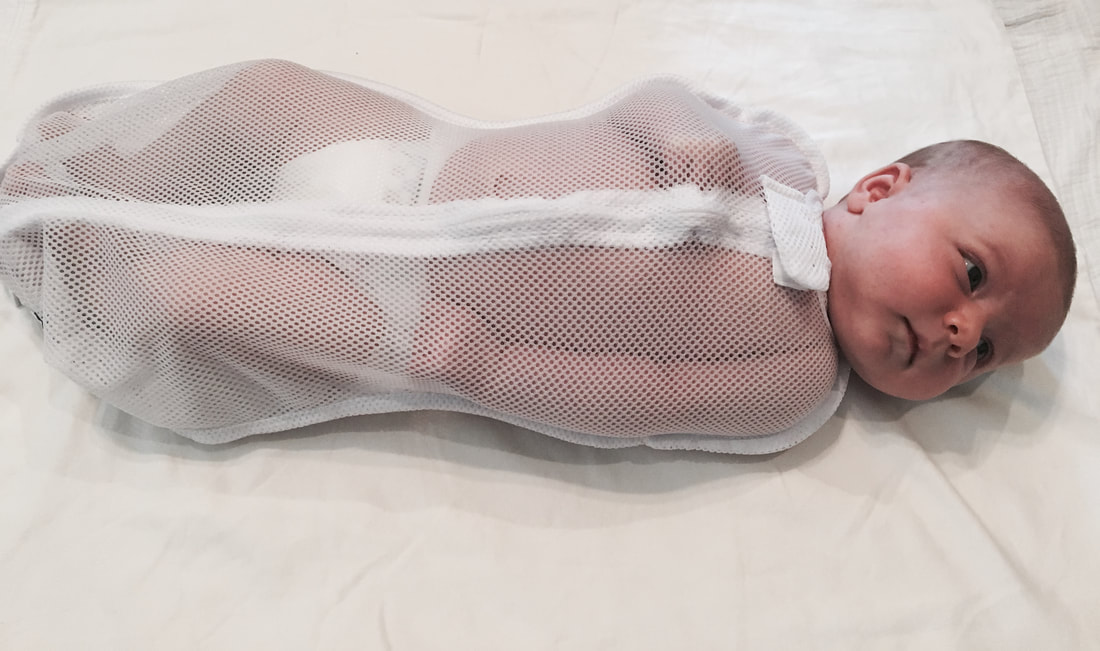 No more blue & pink blankets, pleaseGone are the days of the pink and blue horizontal striped blankets in the newborn nursery that have been used since the 1950s and in with the Woombie Sleepy Pod™ by Barski Vail Designs, LLC. Created by two medically minded twin moms, Karen Barski and Chelsea Vail, the Woombie Sleepy Pod™ is the new "thing" in newborn nurseries!
The Woombie Sleepy Pod™ features a patented peanut-shape design that mimics the womb to ease baby's transition from the womb to the world whilst providing thermoregulation, safer sleep, flexion and bone fusion. As if that wasn't enough, the Woombie Sleepy Pod™ can also be used for procedural support! Swaddle newborns in the Woombie Sleepy Pod and pull ONE heel out for heel stick while baby snuggles up close to their caregiver. Need to do eye drops, place an NG tube or perhaps complete an EEG? Simply swaddle baby in a Woombie Sleepy Pod™ rather than papoose, or restrain, and hold baby safely in place using Sweetease or gentle shushing throughout the procedure. Circumcisions can be completed while newborns are swaddled in the hands over heart™ position in the Woombie Sleepy Pod™ and the bottom half of baby is exposed using the double zipper feature! Reach out to [email protected] to inquire about purchasing Woombie Sleepy Pods™ for transport, ER, Mother/Baby, midwifery practices, PICU, radiology or even Hem/Onc. We want to see the Woombie Sleepy Pod™ in every procedure room and children's hospital worldwide. Created by moms for moms, Chelsea and Karen The Woombie Bili pod™ has been successfully providing developmental care for newborns undergoing phototherapy for jaundice since 2017. It's patented peanut-shape mimics the womb, keeps baby in the optimal hands over heart™ position and allows range of motion in the shoulders and hips. But, what sets the Woombie Bili pod™ apart from the competition- FULL luminosity. No other swaddle on the market allows 94-98% luminosity to reach the skin. But, now the Woombie Bili pod™ is being used to provide developmental care and comfort to the NOWS babies suffering withdrawal symptoms! US hospitals have started clinical trials with the help of their sales reps at International Biomedical to show that babies born addicted to opioids can be safely swaddled in the 360 degree meh in hopes of decreasing likelihood of overheating, decreasing tremors or seizures, and increasing periods of rest. The Woombie Bili pod™ can be disposable or reusable and supports neonates and newborns during phototherapy, cooling treatment and withdrawal. Reach out to [email protected] to inquire about purchasing.  Barski Vail Designs COO, Chelsea Vail, began her career as a Child Life Specialist. During her time in childrens hospitals, she covered PICU, day surgery, Hematology/Oncolgy over four years, NICU, and trauma centers outpatient. Regardless what unit she was assigned to, there were infants on these inpatient units. Chelsea's job was to provide developmental care, procedural support, and support the families during their stay. Flash forward ten years, she partnered with Karen Barski, creator and owner of Woombie, the patented peanut-shaped swaddle for home use that had sold over a million withough a single safety recall. Chelsea wanted the Woombie in hospitals to support the patients and families she'd once worked with and worked with Karen to revise the home-use version for hospitalized infants to work around medical devices and treatment needs. Woombie Med Pods was born! These 360 degree swaddles provide the care Chelsea was once providing as a Child Life Specialist. Chelsea and Karen are not only both seasoned medical professionals, but also mothers AND certified Infant Care Specialists. We are passionate about developmental care in hospitals for ALL units that serve the infant population. So, we've created a hospital certification program for Best Practices in Infant Care. 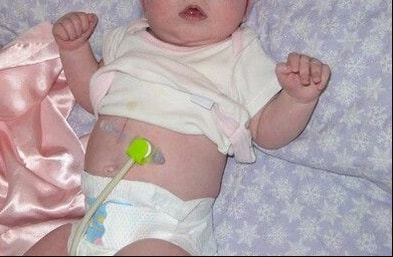 Our hope is that hospitals will seek to improve their current methods of care for infants and only use the safest products and resources to support patients and families. Becoming certified is free of charge, easy to apply, and education/training is accesible digitally. Become a Platinum Level Infant Care Provider to set your hospital team and healthcare system apart from the rest! Families have a choice where they deliver AND where they have their baby cared for when admitted for treatments; its time to step up the game!
Please click on our link "Infant Care" on the Woombie Med Pods website to learn more. Swaddle safely! Be well. |
AuthorChelsea Vail, MA, CCLS, Newborn Care Specialist and contributing inventor of Woombie Med Pods. Archives
April 2024
AuthorWrite something about yourself. No need to be fancy, just an overview. Categories |
 RSS Feed